
Upholstery That Handles Daily Use
Furniture Cleaning in Pueblo for fabric-covered seating exposed to spills, dust, pet activity, and body oils
Sofas, sectionals, office chairs, and other upholstered furniture accumulate oils, dust, food residue, and pet dander that routine vacuuming cannot remove, especially in high-use living rooms and workspaces. Fabric type determines cleaning method—synthetic microfiber, cotton blends, and performance fabrics tolerate water-based extraction, while delicate or vintage upholstery requires dry-cleaning compounds or low-moisture techniques. Nazareth Enterprises assesses each piece before cleaning begins, checking manufacturer tags, testing colorfastness, and identifying stains or wear patterns that need specific attention in Pueblo and Colorado Springs homes, offices, and rental properties.
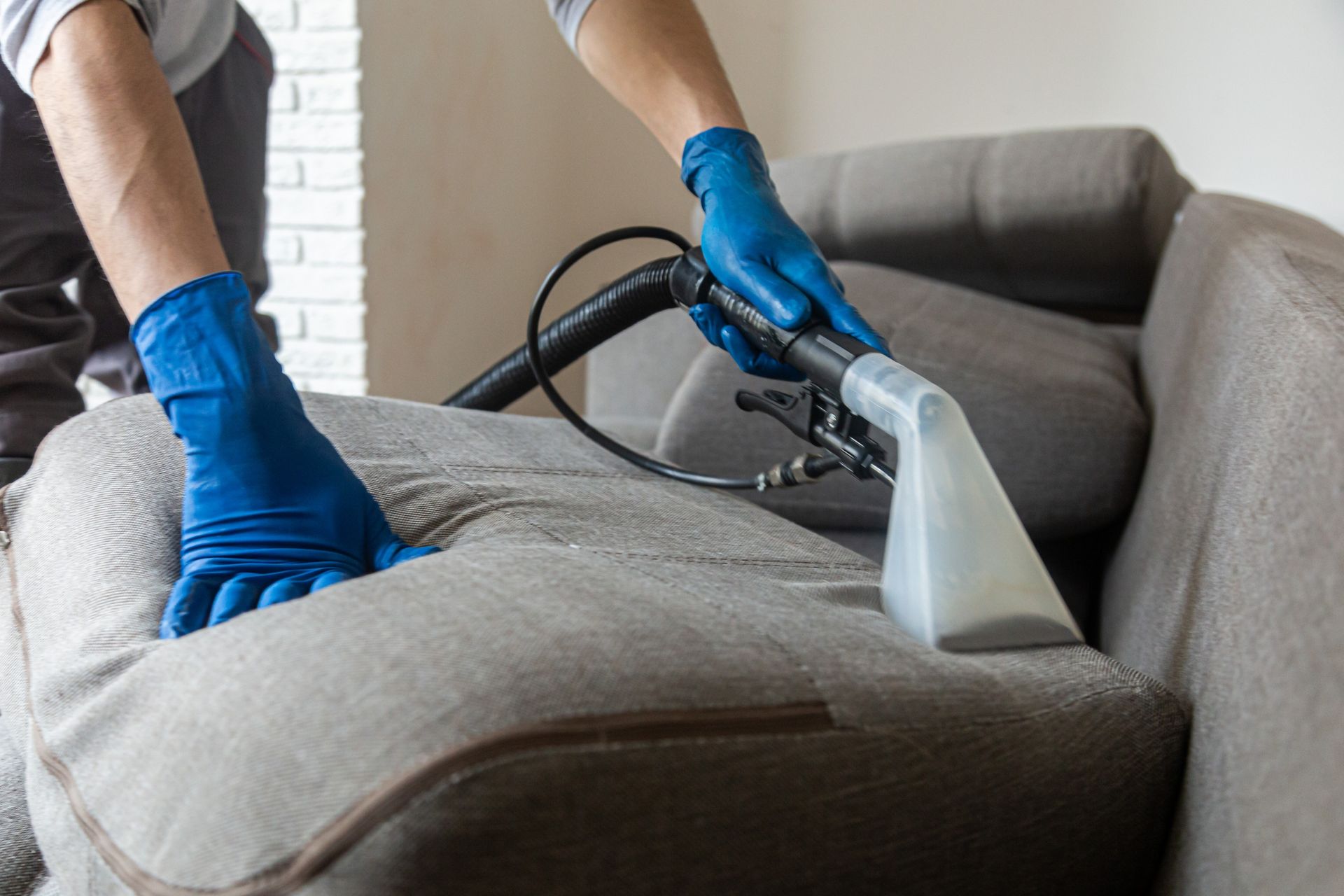
The process varies by fabric but generally involves pre-treatment of stained areas, followed by either hot-water extraction or dry-solvent application depending on material tolerance. Technicians use upholstery-specific tools with smaller heads and adjustable suction to avoid oversaturating foam cushions or damaging delicate weaves. Heavily used arm rests, seat cushions, and headrest areas receive extra passes to remove the concentrated oils and dirt that accumulate where skin makes regular contact.
Schedule furniture cleaning so technicians can inspect fabric types, test cleaning methods on inconspicuous areas, and address specific stains or odor concerns.
Why Cleaning Methods Vary by Fabric Type
Upholstery fabrics respond differently to moisture, heat, and cleaning agents, so technicians identify fiber content and manufacturer cleaning codes before selecting tools and compounds. Water-safe fabrics marked with a W code tolerate extraction similar to carpet cleaning, while S-coded materials require solvent-based dry cleaning to prevent water staining or shrinkage. X-coded fabrics allow only vacuuming, and SW-coded pieces accept either method depending on soil type.
After cleaning, upholstery feels softer and looks brighter, with visible removal of grime from arm rests and seat edges where dirt had created dark outlines. Pet hair and dander embedded in fabric weave are extracted rather than simply redistributed, and food or beverage stains lighten or disappear depending on how long they had been present. Furniture no longer releases dust when cushions are flipped or when someone sits down heavily.
Stain removal outcomes depend on spill type, fabric absorbency, and how quickly the stain was initially blotted. Tannin-based stains from coffee or wine often lighten significantly, while oil-based stains from cosmetics or food may require multiple treatments. Set-in stains that have been present for months or years sometimes remain visible even after professional cleaning because dye molecules have bonded permanently to fibers.
Answers Clients Often Need
Furniture cleaning addresses embedded soil and restores appearance, though outcomes vary based on fabric type, stain age, and prior cleaning attempts.
How do technicians determine the correct cleaning method for different upholstery fabrics?
Manufacturer tags typically include cleaning codes that specify water-safe, solvent-only, or vacuum-only methods. If tags are missing, technicians test a hidden area with moisture and cleaning agents to check for colorfastness, shrinkage, or texture changes before treating visible surfaces.
What preparation does furniture cleaning require before the appointment?
Remove loose items like pillows, throws, and cushions that can be cleaned separately. Vacuum pet hair and surface dust if possible, though this step is not required since technicians address surface debris during the cleaning process.
How long does upholstered furniture take to dry after cleaning in Pueblo?
Drying time ranges from two to six hours depending on fabric thickness, foam density, and whether water-based or solvent-based cleaning was used. Colorado's low humidity accelerates evaporation, and running ceiling fans or opening windows further reduces drying time.
Why do some stains remain visible even after professional cleaning?
Stains that have been heat-set by previous cleaning attempts, absorbed deeply into foam padding, or left untreated for extended periods may become permanent because the staining agent has chemically bonded to fabric fibers. Cleaning can lighten these stains but not always remove them completely.
What types of furniture benefit most from regular professional cleaning?
High-use seating in living rooms, recliners, office chairs, and sectionals in homes with pets or children accumulate oils and dirt quickly and benefit from annual or biannual cleaning. Formal furniture in low-traffic areas can extend intervals to every two or three years without visible soil buildup.
Nazareth Enterprises cleans upholstered furniture in residential and commercial properties throughout Pueblo, Colorado Springs, and nearby communities where daily use and Colorado's dust create maintenance needs. Arrange a consultation to review fabric types, discuss stain concerns, and confirm the appropriate cleaning approach for your specific furnishings.